Mermaids: Myth, Mystery, or Hidden Ocean Species?

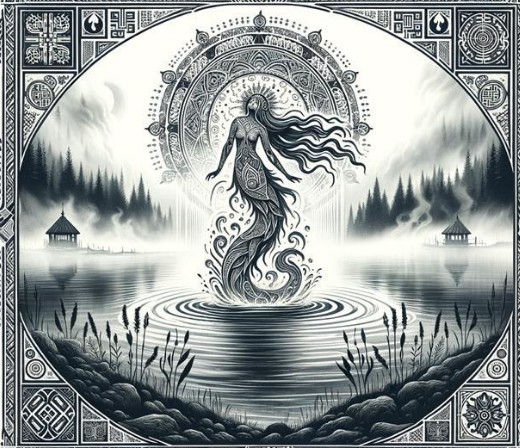
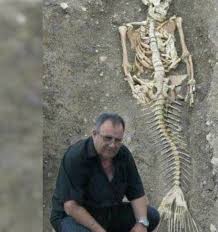
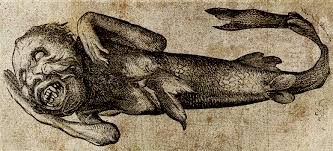
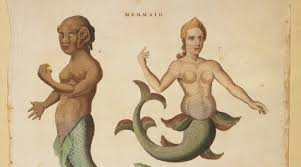
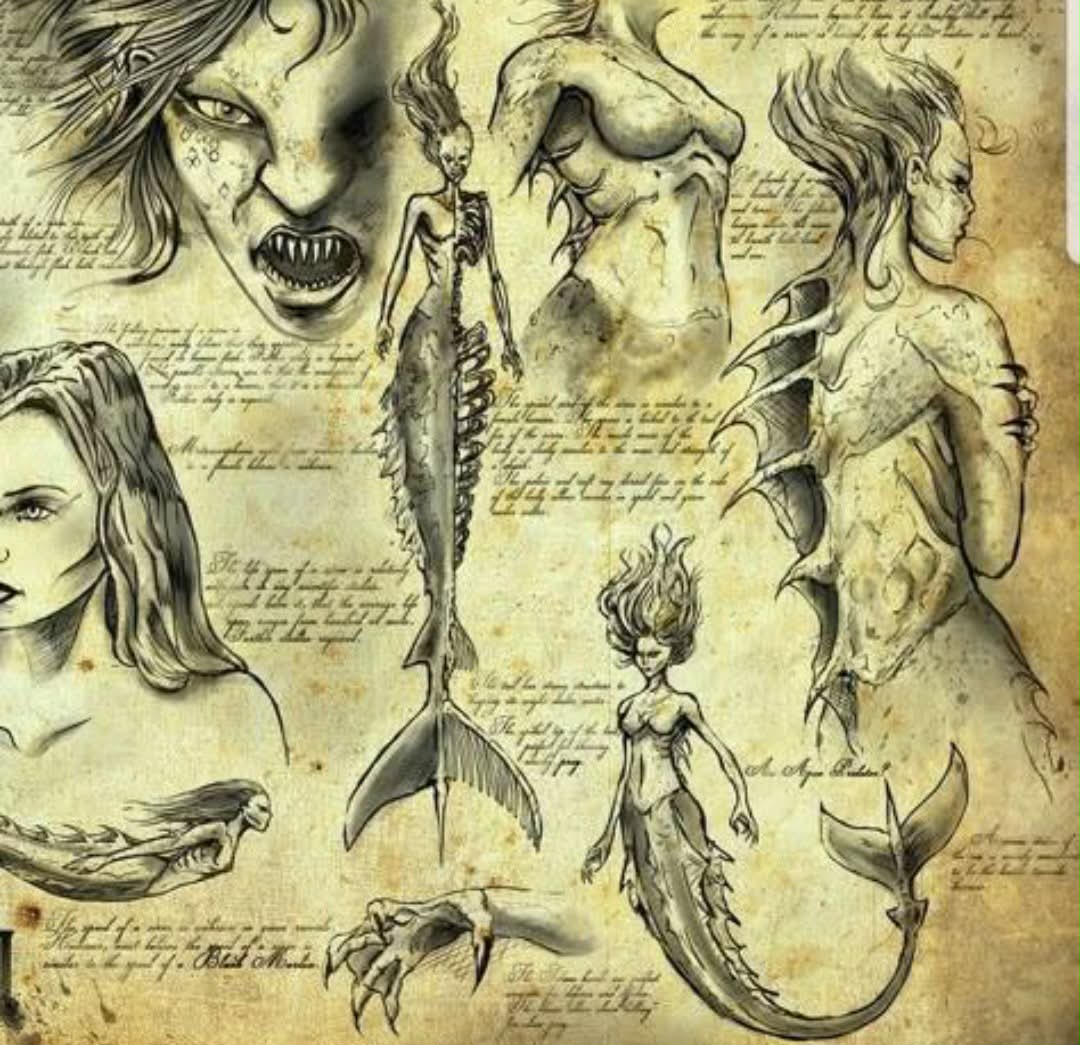
For centuries, stories of mermaids have appeared in legends, sailor journals, and ancient artwork from cultures all around the world. These mysterious half-human, half-fish beings have fascinated humanity for generations. While many people consider mermaids to be fictional creatures, conspiracy theorists believe there may be far more truth behind the legends than modern science admits.

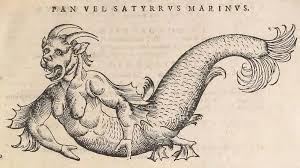
One of the biggest mysteries surrounding mermaids is the fact that nearly every major civilization has stories about humanoid sea creatures. Ancient Assyrians spoke of the sea goddess Atargatis, Greek mythology described sirens and ocean beings, and sailors from Europe, Africa, and Asia all reported strange encounters at sea. Some researchers believe these similarities suggest that mermaids may have been based on real sightings rather than imagination alone.

Conspiracy theories about mermaids often focus on the oceans themselves. More than 80% of the Earth’s oceans remain unexplored, leaving many people wondering what unknown species may still exist beneath the surface. Believers argue that if deep-sea creatures can remain undiscovered for centuries, intelligent underwater humanoids may not be impossible.

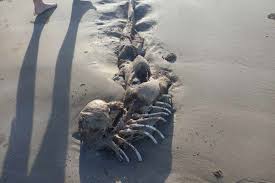
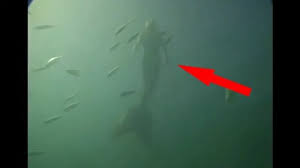
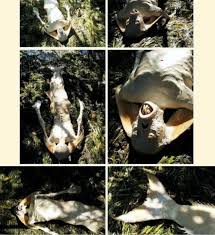
Over the years, strange videos and alleged sightings have fueled the mystery. Fishermen, divers, and sailors have reported seeing creatures with human-like faces, long tails, and unusual behavior in remote parts of the ocean. Some conspiracy communities claim governments and naval organizations secretly investigate these encounters but hide the information from the public.

Another theory suggests mermaids may be connected to ancient civilizations lost beneath the sea. Stories about Atlantis and underwater kingdoms often appear alongside mermaid conspiracies. According to believers, advanced civilizations may have adapted to life underwater after catastrophic events thousands of years ago.

Some researchers also point to unusual sounds recorded in the deep ocean, including unexplained noises detected by underwater monitoring systems. While scientists often explain these sounds as natural events or marine life, conspiracy theorists believe some recordings may come from unknown intelligent species living deep beneath the ocean.

Mermaids are also linked to paranormal and supernatural theories. Certain legends describe them as beings capable of communicating with humans through songs, dreams, or psychic abilities. In many old stories, mermaids were seen as both beautiful and dangerous, luring sailors into storms or disappearing ships.

the belief in mermaids continues to grow online, especially among communities interested in hidden history, unexplained creatures, and ocean mysteries. The idea that intelligent beings could exist beneath the waves remains one of the world’s most fascinating possibilities.

The question remains: are mermaids simply legends passed down through generations, or could humanity be sharing the planet with mysterious ocean beings hidden deep below the surface?
Famous Historical Mermaid Sightings

Christopher Columbus
During his voyage in 1493, Columbus wrote that he saw three “mermaids” near Haiti.
He noted that they were “not as beautiful as they are painted.

Henry Hudson
Crew members on Hudson’s ship reported seeing a creature in 1608 with:
a human-like upper body,
long black hair,
and a fish tail.
The account was recorded in ship logs.

The Mermaid of Edam (Netherlands)
A famous Dutch legend from the 15th century.
According to the story, after a storm near Edam, a mermaid was found in a flooded area. The legend says she:
learned to speak,
lived in houses with people,
and even learned Christian customs.
For centuries, many people treated the story as real.

John Smith
The Jamestown explorer wrote in 1614 that he saw a beautiful woman in the water with “green hair.”


Mermaid Sightings in Scotland
During the 18th and 19th centuries, several sightings were reported along the coast of Scotland.
Fishermen claimed to see pale-skinned sea women sitting on rocks with long hair.

The “Mermaid” of Israel (Kiryat Yam)
In the 2000s, modern sightings were reported around Kiryat Yam.
Witnesses described a creature that:
looked partly human,
jumped into the sea at sunset,
and disappeared quickly.
The city even offered a reward for proof

Mermaid legends exist in many cultures around the world:
Sirens in Greece,
Rusalki in Eastern Europe,
Selkies in Scotland,
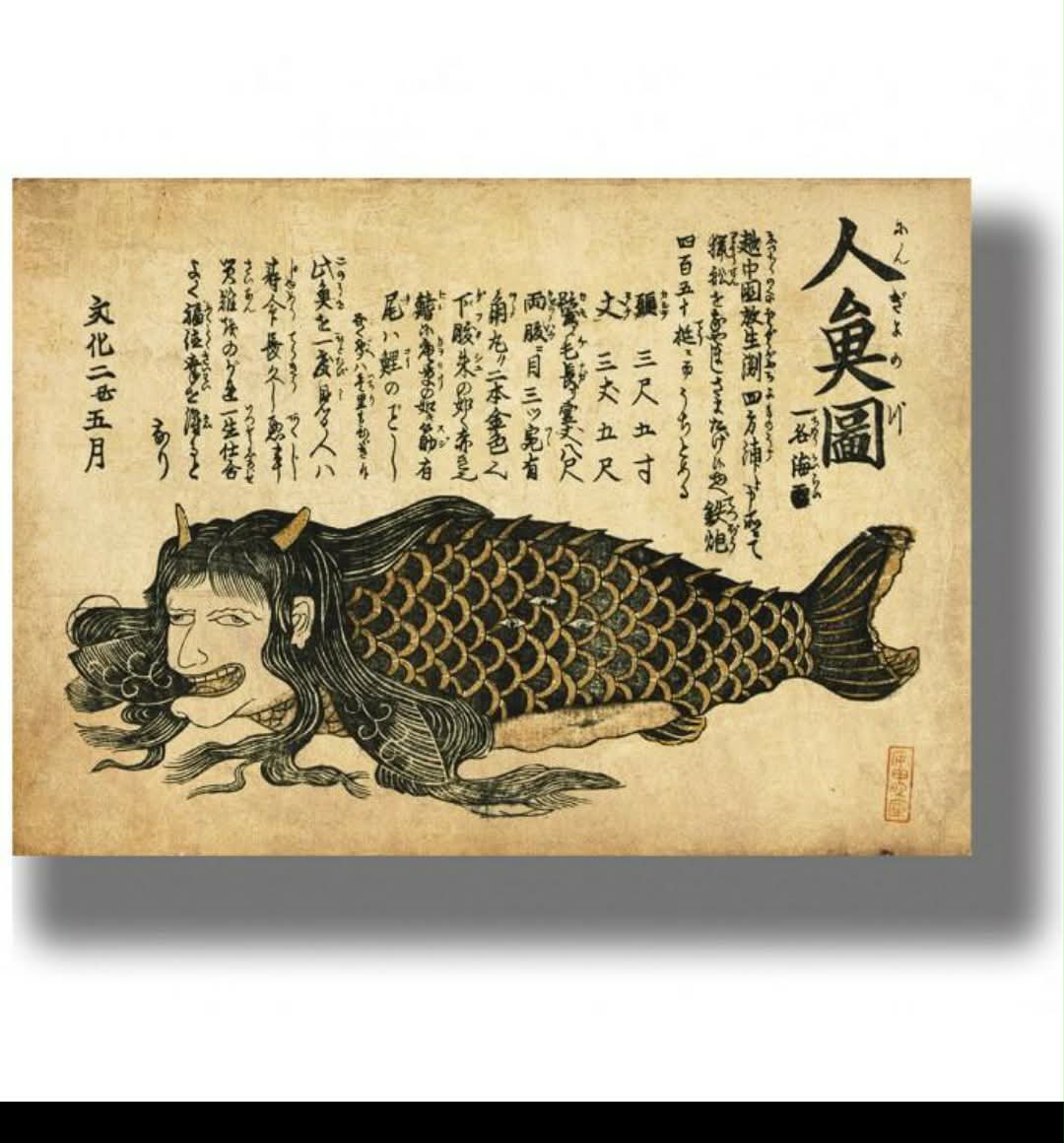
Ningyo in Japan,
and Mami Wata in African and Caribbean traditions.

Sirens — Ancient Greece
Sirens were dangerous creatures from ancient Greek mythology. In the oldest stories, they were half-fish half women . they used enchanting songs to lure sailors to their deaths.
The most famous Siren story appears in Odyssee. The hero Odysseus wanted to hear the Sirens’ song without dying, so he ordered his crew to plug their ears with wax and tie him to the ship’s mast. As they sailed past, the Sirens sang promises of wisdom and secret knowledge, but the crew ignored them and escaped safely.

Rusalki — Eastern Europe
Rusalka are water spirits from Slavic folklore, especially in countries like Russia, Ukraine, Poland, and the Czech Republic.
According to legend, Rusalki were often the spirits of young women who died tragically — sometimes through drowning or heartbreak. They were said to live in rivers and lakes
At night, they would emerge from the water:
singing,
dancing,
or combing their long hair.
Some stories describe them as beautiful and sad, while others portray them as dangerous spirits who lure men underwater.
One of the most famous adaptations is Rusalka, which tells the story of a water spirit who falls in love with a human prince.

Selkies — Scotland & Ireland
Selkie are magical beings from the coasts of Scotland and Ireland. Unlike mermaids, Selkies can remove their seal skin and become human on land.
Many legends involve fishermen discovering a female Selkie dancing on the beach. If a man steals her seal skin, she cannot respecially in countries like Russia, Ukraine, Poland, and the Czech Republic.
According to legend, Rusalki were often the spirits of young women who died tragically — sometimes through drowning or heartbreak. They were said to live in rivers and lakes
At night, they would emerge from the water:
singing,
dancing,
or combing their long hair.
Some stories describe them as beautiful and sad, while others portray them as dangerous spirits who lure men underwater.
One of the most famous adaptations is Rusalka, which tells the story of a water spirit who falls in love with a human prince.

Selkies — Scotland & Ireland
Selkie are magical beings from the coasts of Scotland and Ireland. Unlike mermaids, Selkies can remove their seal skin and become human on land.
Many legends involve fishermen discovering a female Selkie dancing on the beach. If a man steals her seal skin, she cannot return to the sea and is forced to live with him as his wife.
These stories are often tragic:
the Selkie longs for the ocean,
secretly searches for her hidden skin,
and eventually returns to the sea, leaving behind her human family.
Selkie tales are deeply emotional and usually focus on freedom, loss, and the pull of the eturn to the sea and is forced to live with him  his wife.
These stories are often tragic:
the Selkie longs for the ocean,
secretly searches for her hidden skin,
and eventually returns to the sea, leaving behind her human family.
Selkie tales are deeply emotional and usually focus on freedom, loss, and the pull of the sea.

Ningyo — Japan
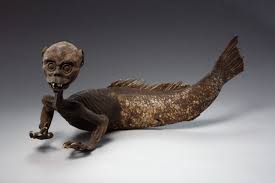
Ningyo are strange sea creatures from Japanese folklore. Unlike the beautiful Western mermaid, a Ningyo was often described as:
having a fish-like body,
a monkey-like mouth,
golden scales,
and an eerie human-like face.
Seeing one was believed to bring storms, disasters, or bad luck.
However, legends also said that eating Ningyo flesh could grant immortality. This idea appears in the famous story of “Happyaku Bikuni,” about a woman who accidentally ate Ningyo meat and lived for hundreds of years without aging.
Ningyo stories are usually mysterious 

Mami Wata — Africa & the Caribbean
Mami Wata is a powerful water spirit worshipped in parts of West, Central, and Southern Africa, as well as the Caribbean.
Mami Wata is often shown as a beautiful woman connected to snakes, rivers, and the ocean. In many traditions, she represents:
beauty,
healing,
wealth,
fertility,
and spiritual power.
Unlike many European mermaid stories, Mami Wata is not simply a monster or seductress. She is often treated as a divine or supernatural being who can bless or punish people.
Some believers claim she appears in dreams or visions near water and can change a person’s fortune. Her legends blend African spirituality with influences from European and Asian imagery brought through trade and colonial history.
e9916c5e-bf80-4881-8c16-4ce33dd61742
9e350939-8930-4941-8b7f-af23ebc1580c
29a963a1-6b1c-4928-9bb2-7c434f484981 (1)
images (12)
images (11)
images (10)
images (9)
images (8)
images (7)
images (6)
images (5)
images (4)
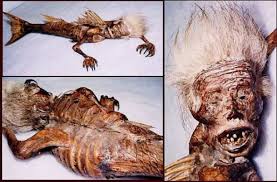
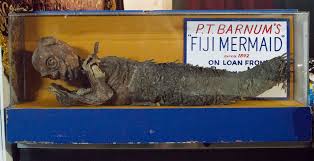
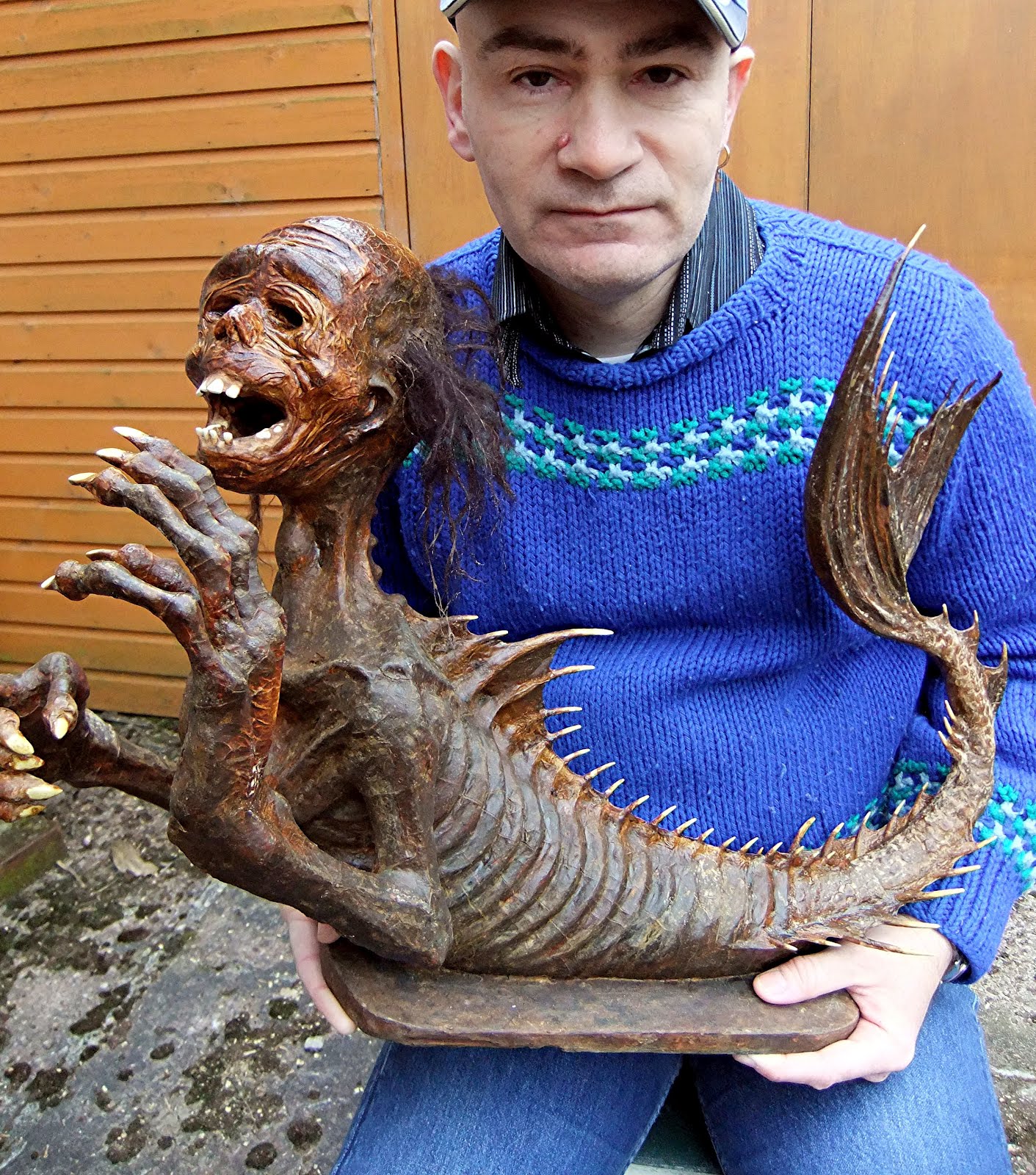
Dr Karl Shuker with his Feejee Mermaid, close-up
downloaden (3)