Cloning Programs: Science, Ethics, and Conspiracy Claims
Cloning Programs refer to both real scientific research into genetic replication and a range of conspiracy theories claiming that secret organizations are creating human clones for hidden purposes. In science, cloning is a biological process where an organism is genetically copied. In conspiracy narratives, however, cloning is often portrayed as part of secret government experiments or elite-controlled programs.
In legitimate science, cloning has been successfully demonstrated in animals. For example, scientists have cloned mammals such as sheep and other species using somatic cell nuclear transfer. These experiments are primarily used for medical research, agriculture, and understanding genetic development. However, human reproductive cloning is widely restricted or banned in most countries due to serious ethical and safety concerns.
Conspiracy theories about cloning programs suggest that governments or secret groups may already be producing human clones in hidden facilities. According to these beliefs, clones could be used to replace public figures, create controlled individuals, or extend the influence of powerful elites. Some versions of the theory claim that clones might be indistinguishable from natural humans and could be placed in society without detection.
Another common claim in conspiracy communities is that celebrities, politicians, or high-profile individuals may have been replaced by clones. Supporters of this idea often point to changes in appearance and behavior.
Some theories also connect cloning to broader ideas such as mind control, secret laboratories, and advanced biotechnology programs. In these narratives, cloning is sometimes combined with artificial intelligence or genetic engineering, suggesting that future humans could be designed or manufactured rather than naturally born.
Skeptics strongly reject claims of secret large-scale human cloning programs. Scientists explain that while cloning technology exists in a limited and experimental form, it is extremely complex, inefficient, and not capable of producing fully developed, functional adult humans in secret. There is also no credible evidence that such programs are being conducted at a hidden global scale.
cloning remains a popular topic in conspiracy culture because it combines real scientific advances with fears about identity, control, and technological power over life itself.
The question remains: will cloning remain a strictly controlled scientific tool for research and medicine, or could it one day evolve into something far more controversial and hidden from public view?
Human cloning is the creation of a genetically identical copy of a human. The term is generally used to refer to artificial human cloning, which is the reproduction of human cells and tissue. It does not refer to the natural conception and delivery of identical twins. The possibilities of human cloning have raised controversies. These ethical concerns have prompted several nations to pass laws regarding human cloning.
Two commonly discussed types of human cloning are therapeutic cloning and reproductive cloning.
Therapeutic cloning would involve cloning cells from a human for use in medicine and transplants. It is an active area of research, and is in medical practice over the world. Two common methods of therapeutic cloning that are being researched are somatic-cell nuclear transfer and (more recently) pluripotent stem cell induction.
Reproductive cloning would involve making an entire cloned human, instead of just specific cells or tissues.
History
Although the possibility of cloning humans had been the subject of speculation for much of the 20th century, scientists and policymakers began to take the prospect seriously in 1969. J. B. S. Haldane was the first to introduce the idea of human cloning, for which he used the terms "clone" and "cloning", which had been used in agriculture since the early 20th century. In his speech on "Biological Possibilities for the Human Species of the Next Ten Thousand Years" at the Ciba Foundation Symposium on Man and his Future in 1963, he said:
Nobel Prize-winning geneticist Joshua Lederberg advocated cloning and genetic engineering in an article in The American Naturalist in 1966 and again, the following year, in The Washington Post. He sparked a debate with conservative bioethicist Leon Kass, who wrote at the time that "the programmed reproduction of man will, in fact, dehumanize him." Another Nobel Laureate, James D. Watson, publicized the potential and the perils of cloning in his Atlantic Monthly essay, "Moving Toward the Clonal Man", in 1971
With the cloning of a sheep known as Dolly in 1996 by somatic cell nuclear transfer (SCNT), the idea of human cloning became a hot debate topic. Many nations outlawed it, while a few scientists promised to make a clone within the next few years. The first hybrid human clone was created in November 1998, by Advanced Cell Technology. It was created using SCNT; a nucleus was taken from a man's leg cell and inserted into a cow's egg from which the nucleus had been removed, and the hybrid cell was cultured and developed into an embryo. The embryo was destroyed after 12 days.
In 2004 and 2005, Hwang Woo-suk, a professor at Seoul National University, published two separate articles in the journal Science claiming to have successfully harvested pluripotent, embryonic stem cells from a cloned human blastocyst using SCNT techniques. Hwang claimed to have created eleven different patient-specific stem cell lines. This would have been the first major breakthrough in human cloning.However, in 2006 Science retracted both of his articles on account of clear evidence that much of his data from the experiments was fabricated.
In January 2008, Dr. Andrew French and Samuel Wood of the biotechnology company Stemagen announced that they successfully created the first five mature human embryos using SCNT. In this case, each embryo was created by taking a nucleus from a skin cell (donated by Wood and a colleague) and inserting it into a human egg from which the nucleus had been removed. The embryos were developed only to the blastocyst stage, at which point they were studied in processes that destroyed them. Members of the lab said that their next set of experiments would aim to generate embryonic stem cell lines; these are the "holy grail" that would be useful for therapeutic or reproductive cloning.
In 2011, scientists at the New York Stem Cell Foundation announced that they had succeeded in generating embryonic stem cell lines, but their process involved leaving the oocyte's nucleus in place, resulting in triploid cells, which would not be useful for cloning.
In 2013, a group of scientists led by Shoukhrat Mitalipov published the first report of embryonic stem cells created using SCNT.In this experiment, the researchers developed a protocol for using SCNT in human cells, which differs slightly from the one used in other organisms. Four embryonic stem cell lines from human fetal somatic cells were derived from those blastocysts. All four lines were derived using oocytes from the same donor, ensuring that all mitochondrial DNA inherited was identical. A year later, a team led by Robert Lanza at Advanced Cell Technology reported that they had replicated Mitalipov's results and further demonstrated the effectiveness by cloning adult cells using SCNT.
In 2018, the first successful cloning of primates using SCNT was reported with the birth of two live female clones, crab-eating macaques named Zhong Zhong and Hua Hua,and there have been several similar reports since. However, all these cases involved cloning of fetal cells - as yet, no primate has been cloned from adult cells
Methods
Somatic cell nuclear transfer (SCNT)

In somatic cell nuclear transfer ("SCNT"), the nucleus of a somatic cell is taken from a donor and transplanted into a host egg cell, which had its own genetic material removed previously, making it an enucleated egg. After the donor somatic cell genetic material is transferred into the host oocyte with a micropipette, the somatic cell genetic material is fused with the egg using an electric current. Once the two cells have fused, the new cell can be permitted to grow in a surrogate or artificially. This is the process that was used to successfully clone Dolly the sheep (see § History). The technique, now refined, has indicated that it was possible to replicate cells and reestablish pluripotency, or "the potential of an embryonic cell to grow into any one of the numerous different types of mature body cells that make up a complete organism".
Induced pluripotent stem cells (iPSCs)

Creating induced pluripotent stem cells ("iPSCs") is a long and inefficient process. Pluripotency refers to a stem cell that has the potential to differentiate into any of the three germ layers: endoderm (interior stomach lining, gastrointestinal tract, the lungs), mesoderm (muscle, bone, blood, urogenital), or ectoderm (epidermal tissues and nervous tissue) A specific set of genes, often called "reprogramming factors", are introduced into a specific adult cell type. These factors send signals in the mature cell that cause the cell to become a pluripotent stem cell. This process is highly studied and new techniques are being discovered frequently on how to improve this induction process.
Depending on the method used, reprogramming of adult cells into iPSCs for implantation could have severe limitations in humans. If a virus is used as a reprogramming factor for the cell, cancer-causing genes called oncogenes may be activated. These cells would appear as rapidly dividing cancer cells that do not respond to the body's natural cell signaling process. However, in 2008 scientists discovered a technique that could remove the presence of these oncogenes after pluripotency induction, thereby increasing the potential use of iPSC in humans.
Comparing SCNT to reprogramming
Both the processes of SCNT and iPSCs have benefits and deficiencies. Historically, reprogramming methods were better studied than SCNT derived embryonic stem cells (ESCs).[11] However, more recent studies have put more emphasis on developing new procedures for SCNT-ESCs. The major advantage of SCNT over iPSCs at this time is the speed with which cells can be produced. iPSCs derivation takes several months while SCNT would take a much shorter time, which could be important for medical applications. New studies are working to improve the process of iPSC in terms of both speed and efficiency with the discovery of new reprogramming factors in oocytes.[citation needed] Another advantage SCNT could have over iPSCs is its potential to treat mitochondrial disease, as it uses a donor oocyte.[11] No other advantages are known at this time in using stem cells derived from one method over stem cells derived from the other.[23]
Uses and actual potential

Work on cloning techniques has advanced understanding of developmental biology in humans. Observing human pluripotent stem cells grown in culture provides great insight into human embryo development, which otherwise cannot be seen. Scientists are now able to better define steps of early human development. Studying signal transduction along with genetic manipulation within the early human embryo has the potential to provide answers to many developmental diseases and defects. Many human-specific signaling pathways have been discovered by studying human embryonic stem cells. Studying developmental pathways in humans has given developmental biologists more evidence toward the hypothesis that developmental pathways are conserved throughout species.
iPSCs and cells created by SCNT are useful for research into the causes of disease, and as model systems used in drug discovery.
Cells produced with SCNT, or iPSCs could eventually be used in stem cell therapy,or to create organs to be used in transplantation, known as regenerative medicine. Stem cell therapy is the use of stem cells to treat or prevent a disease or condition. Bone marrow transplantation is a widely used form of stem cell therapy. No other forms of stem cell therapy are in clinical use at this time. Research is underway to potentially use stem cell therapy to treat heart disease, diabetes, and spinal cord injuries.Regenerative medicine is not in clinical practice, but is heavily researched for its potential uses. This type of medicine would allow for autologous transplantation, thus removing the risk of organ transplant rejection by the recipient.For instance, a person with liver disease could potentially have a new liver grown using their same genetic material and transplanted to remove the damaged liver.In current research, human pluripotent stem cells have been promised as a reliable source for generating human neurons, showing the potential for regenerative medicine in brain and neural injuries.
Ethical implications
In bioethics, the ethics of cloning refers to a variety of ethical positions regarding the practice and possibilities of cloning, especially human cloning. While many of these views are religious in origin, for instance relating to Christian views of procreation and personhood,the questions raised by cloning engage secular perspectives as well, particularly the concept of identity.
Advocates support development of therapeutic cloning in order to generate tissues and whole organs to treat patients who otherwise cannot obtain transplants, to avoid the need for immunosuppressive drugs,[37] and to stave off the effects of aging.Advocates for reproductive cloning believe that parents who cannot otherwise procreate should have access to the technology.
Opposition to therapeutic cloning mainly centers around the status of embryonic stem cells, which has connections with the abortion debate.The moral argument put forward is based on the notion that embryos deserve protection from the moment of their conception because it is at this precise moment that a new human entity emerges, already a unique individual. Since it is deemed unacceptable to sacrifice human lives for any purpose, the argument asserts that the destruction of embryos for research purposes is no longer justifiable.
Some opponents of reproductive cloning have concerns that technology is not yet developed enough to be safe – for example, the position of the American Association for the Advancement of Science as of 2014, while others emphasize that reproductive cloning could be prone to abuse (leading to the generation of humans whose organs and tissues would be harvested),and have concerns about how cloned individuals could integrate with families and with society at large.
Members of religious groups are divided. Some Christian theologians perceive the technology as usurping God's role in creation and, to the extent embryos are used, destroying a human life; others see no inconsistency between Christian tenets and cloning's positive and potentially life-saving benefits.
Legal status of human therapeutic cloning maps


Legal status of human cloning by jurisdiction
![[icon]](https://en.wikipedia.org/wiki/File:Wiki_letter_w_cropped.svg)
| Jurisdiction | Reproductive cloning | Therapeutic cloning | Notes |
|---|---|---|---|
 Argentina Argentina | Illegal | Illegal | Human cloning is banned by the Presidential Decree 200/97 of 7 March 1997. |
 Australia Australia | Illegal | Legal | Australia has prohibited human cloning,though as of December 2006, a bill legalizing therapeutic cloning and the creation of human embryos for stem cell research passed the House of Representatives. Within certain regulatory limits, and subject to the effect of state legislation, therapeutic cloning is now legal in some parts of Australia. |
 Austria Austria | Illegal | Illegal | |
 Belgium Belgium | Illegal | Legal | |
 Brazil Brazil | Illegal | Illegal | |
 Canada Canada | Illegal | Illegal | Canadian law prohibits the following: cloning humans, cloning stem cells, growing human embryos for research purposes, and buying or selling of embryos, sperm, eggs or other human reproductive material. It also bans making changes to human DNA that would pass from one generation to the next, including use of animal DNA in humans. Surrogate mothers are legally allowed, as is donation of sperm or eggs for reproductive purposes. Human embryos and stem cells are also permitted to be donated for research. There have been consistent calls in Canada to ban human reproductive cloning since the 1993 Report of the Royal Commission on New Reproductive Technologies. Polls have indicated that an overwhelming majority of Canadians oppose human reproductive cloning, though the regulation of human cloning continues to be a significant national and international policy issue. The notion of "human dignity" is commonly used to justify cloning laws. The basis for this justification is that reproductive human cloning necessarily infringes notions of human dignity. |
 Chile Chile | Illegal | Illegal | |
 China China | Illegal | Legal | The government "does not approve, does not allow, does not support, does not accept" any reproductive human cloning experiments, but does not oppose therapeutic cloning. In the Eleventh Amendment to the Criminal Law, which came into effect on March 1, 2021, an additional provision was added to Article 336, which stipulates that "implanting gene-edited or cloned human embryos into human or animal bodies, or implanting gene-edited, cloned Implantation of cloned animal embryos into human bodies, if the circumstances are serious, shall be sentenced to fixed-term imprisonment of not more than three years or criminal detention and a fine; if the circumstances are especially serious, the sentence shall be fixed-term imprisonment of not less than three years but not more than seven years and a fine." |
 Colombia Colombia | Illegal | Legal | Human cloning is prohibited in Article 133 of the Colombian Penal Code. |
 Costa Rica Costa Rica | Illegal | Illegal | |
 Council of Europe Council of Europe | Illegal | Not specified | The European Convention on Human Rights and Biomedicine, a.k.a. the Oviedo Convention, prohibits human cloning in one of its additional protocols; this protocol has been ratified by the following states: Albania, Andorra, Bosnia and Herzegovina, Bulgaria, Croatia, Cyprus, Czech Republic, Denmark, Estonia, Finland, France, Georgia, Greece, Hungary, Iceland, Latvia, Liechtenstein, Lithuania, Moldova, Montenegro, North Macedonia, Norway, Portugal, Romania, San Marino, Serbia, Slovakia, Slovenia, Spain, Switzerland, Turkey |
 Czech Republic Czech Republic | Illegal | Illegal | |
 Denmark Denmark | Illegal | Illegal | |
 Ecuador Ecuador | Illegal | Illegal | |
 Egypt Egypt | Illegal | Illegal | |
 Estonia Estonia | Illegal | Illegal | |
| European Union | Illegal | Not specified | The Charter of Fundamental Rights of the European Union explicitly prohibits reproductive human cloning. The charter is legally binding for the institutions of the European Union under the Treaty of Lisbon and for some member countries of the Union implementing EU regulations. |
 Finland Finland | Illegal | Legal | |
 France France | Illegal | Illegal | The Code Civil in its article 16-4 prohibits all forms of cloning. All forms of cloning including therapeutic cloning has been specifically prohibited by 6 August 2004 bioethics law |
 Georgia Georgia | Illegal | Illegal | |
 Germany Germany | Illegal | Illegal | |
 Greece Greece | Illegal | Illegal | |
 Hungary Hungary | Illegal | Not specified | The Constitution of Hungary (Section Freedom and Responsibility, Article 3 (3)) prohibits human cloning. |
 Iceland Iceland | Illegal | Illegal | |
 India India | Illegal | Legal | India does not have specific laws regarding cloning but has guidelines prohibiting whole human cloning or reproductive cloning. India allows therapeutic cloning and the use of embryonic stem cells for research purposes. There are legal implications in this case. India has already succeeded in mammalian cloning. |
 Iran Iran | No data | Not specified | |
 Ireland Ireland | Illegal | Illegal | |
 Israel Israel | Illegal | Legal | |
 Italy Italy | Illegal | Illegal | |
 Japan Japan | Illegal | Legal | |
 Latvia Latvia | Illegal | Illegal | |
 Lithuania Lithuania | Illegal | Illegal | |
 Morocco Morocco | Illegal | Illegal | In Morocco, all research on human embryos or fetuses is forbidden, as is the conception of human embryos or fetuses for research or experimental purposes, in accordance with article 7 of Dahir no. 1–19–50. |
 Netherlands Netherlands | Illegal | Illegal | |
 New Zealand New Zealand | No data | Legal | |
 Norway Norway | Illegal | Illegal | |
 Pakistan Pakistan | Illegal | Legal within the limits of Islam | Pakistan's Council of Islamic Ideology has declared human cloning as an un-Islamic act. According to Pakistan's Council of Islamic Ideology, research and thinking are not banned in Islam; new innovations are allowed, but within the limits of the religion. |
 Panama Panama | Illegal | Illegal | |
 Peru Peru | Illegal | Illegal | |
 Poland Poland | Illegal | Illegal | Human cloning forbidden by article 87 of Act of 25 June 2015. |
 Portugal Portugal | Illegal | Illegal | |
 Taiwan Taiwan | Illegal | Illegal | |
 Russia Russia | Illegal | Illegal | The Federal Assembly of Russia introduced the Federal Law N 54-FZ "On the temporary ban on human cloning" on 19 April 2002. On 20 May 2002, President Vladimir Putin signed this moratorium on the implementation of human cloning. On 29 March 2010, The Federal Assembly introduced second revision of this law without time limit. |
 Serbia Serbia | Illegal | No data | Human cloning is explicitly prohibited in Article 24, "Right to Life" of the 2006 Constitution of Serbia. |
 Singapore Singapore | Illegal | Legal | Section 5 of the Human Cloning and Other Prohibited Practices Act 2004 prohibits the placing of a human embryo clone in the body of a human or animal. |
 Slovakia Slovakia | Illegal | Illegal | |
 Slovenia Slovenia | Illegal | Illegal | |
 South Africa South Africa | Illegal | Illegal | In terms of section 39A of the Human Tissue Act 65 of 1983, genetic manipulation of gametes or zygotes outside the human body is absolutely prohibited. A zygote is the cell resulting from the fusion of two gametes; thus the fertilised ovum. Section 39A thus prohibits human cloning. |
 South Korea South Korea | Illegal | Legal | |
 Spain Spain | Illegal | Illegal | |
 Sweden Sweden | Illegal | Legal | |
 Switzerland Switzerland | Illegal | Illegal | |
 Thailand Thailand | No data | Legal | |
 Trinidad and Tobago Trinidad and Tobago | Illegal | Illegal | |
 Tunisia Tunisia | Illegal | Illegal | |
 Turkey Turkey | No data | Legal | |
 Ukraine Ukraine | No data | Not specified | |
 United Kingdom United Kingdom | Illegal | Legal | On 14 January 2001, the British government passed The Human Fertilisation and Embryology (Research Purposes) Regulations 2001 to amend the Human Fertilisation and Embryology Act 1990 by extending allowable reasons for embryo research to permit research around stem cells and cell nuclear replacement, thus allowing therapeutic cloning. However, on 15 November 2001, a pro-life group won a High Court legal challenge, which struck down the regulation and effectively left all forms of cloning unregulated in the UK. Their hope was that Parliament would fill this gap by passing prohibitive legislation.Parliament was quick to pass the Human Reproductive Cloning Act 2001 which explicitly prohibited reproductive cloning. The remaining gap with regard to therapeutic cloning was closed when the appeals courts reversed the previous decision of the High Court. The first license was granted on 11 August 2004, to researchers at the University of Newcastle to allow them to investigate treatments for diabetes, Parkinson's disease and Alzheimer's disease. The Human Fertilisation and Embryology Act 2008, a major review of fertility legislation, repealed the 2001 Cloning Act by making amendments of similar effect to the 1990 Act. The 2008 Act also allows experiments on hybrid human-animal embryos. |
 United Nations United Nations | Illegal (soft law, i.e. not binding on member states) | Not specified | On 13 December 2001, the United Nations General Assembly began elaborating an international convention against the reproductive cloning of humans. A broad coalition of states, including Spain, Italy, the Philippines, the United States, Costa Rica, and the Holy See sought to extend the debate to ban all forms of human cloning, noting that, in their view, therapeutic human cloning violates human dignity. Costa Rica proposed the adoption of an international convention to ban all forms of human cloning. Unable to reach a consensus on a binding convention, in March 2005 a non-binding United Nations Declaration on Human Cloning, calling for the ban of all forms of human cloning contrary to human dignity, was adopted. |
 United States United States | Not legislated at the federal level, depends on state legislation | Not legislated at the federal level, depends on state legislation | As of 2024, there are no federal laws in the United States which ban cloning completely. In 1998, 2001, 2004, 2005, 2007 and 2009, the United States Congress voted whether to ban all human cloning, both reproductive and therapeutic (Stem Cell Research Enhancement Act). Divisions in the Senate, or an eventual veto from the sitting President (George W. Bush in 2005 and 2007), over therapeutic cloning prevented either competing proposal (a ban on both forms or on reproductive cloning only) from being passed into law. On 10 March 2010, a bill (HR 4808) was introduced with a section banning federal funding for human cloning.Such a law, if passed, would not have prevented research from occurring in private institutions (such as universities) that have both private and federal funding. However, the 2010 law was not passed. Ten states, California, Connecticut, Illinois, Iowa, Maryland, Massachusetts, Missouri, Montana, New Jersey and Rhode Island, have "clone and kill" laws that prevent cloned embryo implantation for childbirth, but allow embryos to be destroyed. The Patients First Act of 2017 (HR 2918, 115th Congress) aims to promote stem cell research, using cells that are "ethically obtained", that could contribute to a better understanding of diseases and therapies, as well as promote the "derivation of pluripotent stem cell lines without the creation of human embryos". |
 Uruguay Uruguay | No data | Not specified | |
 Vietnam Vietnam | Illegal | Illegal |
Legal status of human cloning by U.S. state
| State | Legal status | Notes | |
|---|---|---|---|
| Reproductive cloning | Therapeutic cloning | ||
 Alabama Alabama | Not legislated | Not legislated | |
 Alaska Alaska | Not legislated | Not legislated | |
 Arizona Arizona | Illegal | Illegal | Prohibition on the use of public funds for human cloning. |
 Arkansas Arkansas | Illegal | Illegal | Criminal and civil penalties. |
 California California | Illegal | Legal | Civil penalties. |
 Colorado Colorado | Not legislated | Not legislated | |
 Connecticut Connecticut | Illegal | Legal | |
 Delaware Delaware | Not legislated | Not legislated | |
 Florida Florida | Unclear | Not legislated | |
 Georgia Georgia | Unclear | Not legislated | |
 Hawaii Hawaii | Not legislated | Not legislated | |
 Idaho Idaho | Not prohibited | Not prohibited | |
 Illinois Illinois | Illegal | Legal | |
 Indiana Indiana | Illegal (indirectly) | Illegal (indirectly) | Prohibition on the use of public funds for human cloning. |
 Iowa Iowa | Illegal | Unclear | Criminal and civil penalties. |
 Kansas Kansas | Not legislated | Not legislated | |
 Kentucky[A] Kentucky[A] | Not legislated | Not legislated | |
 Louisiana Louisiana | Law prohibiting expired | Law allowing expired | Criminal and civil penalties. Prohibition on the use of public funds for human cloning. |
 Maine Maine | Illegal (indirectly) | Illegal (indirectly) | |
 Maryland Maryland | Illegal | Legal | Prohibition on the use of public funds for human cloning. |
 Massachusetts[A] Massachusetts[A] | Illegal | Legal | |
 Michigan Michigan | Illegal | Illegal | Criminal and civil penalties. |
 Minnesota Minnesota | Not legislated | Illegal (indirectly) | |
 Mississippi Mississippi | Not legislated | Not legislated | |
 Missouri Missouri | Illegal | Legal | Prohibition on the use of public funds for human cloning. |
 Montana Montana | Illegal | Legal | |
 Nebraska Nebraska | Not legislated | Not legislated | Prohibition on the use of public funds for human cloning. |
 Nevada Nevada | Not legislated | Not legislated | |
 New Hampshire New Hampshire | Not legislated | Not legislated | |
 New Jersey New Jersey | Illegal | Legal | |
 New Mexico New Mexico | Not legislated | Not legislated | |
 New York New York | Not legislated | Not legislated | |
 North Carolina North Carolina | Not legislated | Not legislated | |
 North Dakota North Dakota | Illegal | Illegal | Criminal and civil penalties |
 Ohio Ohio | Not legislated | Not legislated | |
 Oklahoma Oklahoma | Illegal | Illegal | |
 Oregon Oregon | Not legislated | Not legislated | |
 Pennsylvania[A] Pennsylvania[A] | Not legislated | Not legislated | |
 Rhode Island Rhode Island | Illegal | Legal | Criminal and civil penalties. |
 South Carolina South Carolina | Not legislated | Not legislated | |
 South Dakota South Dakota | Illegal | Illegal | |
 Tennessee Tennessee | Not legislated | Not legislated | |
 Texas Texas | Not legislated | Not legislated | |
 Utah Utah | Not legislated | Not legislated | |
 Vermont Vermont | Not legislated | Not legislated | |
 Virginia[A] Virginia[A] | Illegal | Unclear | Civil penalties. |
 Washington Washington | Not legislated | Not legislated | |
 West Virginia West Virginia | Not legislated | Not legislated | |
 Wisconsin Wisconsin | Not legislated | Not legislated | |
 Wyoming Wyoming | Not legislated | Not legislated |
|---|
What the Celebrity Cloning Theory Claims
The idea behind the theory is simple—but extreme.
It claims that powerful organizations have the ability to clone human beings and are using that technology to replace celebrities.
According to the theory, this is done for several reasons:
• To control public figures
• To maintain influence over media and culture
• To replace individuals who are no longer “cooperating”
• Or to continue a celebrity’s career after death or disappearance
In some versions, the replacements are exact biological clones.
In others, they are actors or altered versions of the original person.
Either way, the core idea is the same:
The person you see is not the original.
—
The “Evidence” People Point To
Supporters of the theory often rely on visual and behavioral changes.
Let’s break down the most common ones.
—
Claim #1: Sudden Changes in Appearance
Fans sometimes notice differences in a celebrity’s face, body, or expressions.
Side-by-side photos are used to highlight changes in jawlines, eyes, or posture.
These differences are often presented as proof that the person has been replaced.
—
Claim #2: Personality Shifts
Some claim that celebrities act differently over time.
They may seem quieter, more aggressive, or less like their “old selves.”
This is interpreted as evidence that the original person is gone.
—
Claim #3: “Glitches” in Behavior
Short video clips showing odd movements, pauses, or unusual expressions are often shared online.
These moments are described as “glitches,” suggesting something unnatural.
—
Claim #4: Industry Control
Some versions of the theory suggest that powerful groups control celebrities behind the scenes.
Cloning becomes part of a larger system of influence over entertainment and media.
—
Human cloning has advanced considerably since it was last widely debated. This report — written to be understood by non-specialists, including policymakers and the general public — explains the history of cloning as well as recent developments. The report offers an ethical and policy analysis, articulating what makes cloning morally repugnant and calling for the practice to be definitively prohibited in the United States.
The Threat of Human Cloning begins by laying out the scientific and policy background of the cloning debates. When the world learned in 1997 of Dolly the sheep, the first clone produced from an adult mammal, a broad public discussion about the ethics of human cloning ensued, largely focused on the nature, meaning, and future of human procreation. However, following the successful derivation of human embryonic stem cells in 1998, the debate over human cloning largely shifted to the question of whether it is acceptable for scientists to create human embryos only to destroy them. The subsequent discovery of promising alternative techniques for generating stem cells without creating or destroying embryos seemed to show that scientific progress would obviate the demand for cloning. But cloning research continued, and American scientists announced in 2013 that they had for the first time successfully obtained stem cells from cloned human embryos.
Although the latest scientific work related to cloning has been focused on potential medical applications, much of that research is relevant to the creation of cloned children. Not only would cloning-to-produce-children be a dangerous experimental procedure, one that cannot be consented to by its subjects (the children created by it), it is also a profound distortion of the moral meaning of human procreation. Giving adults the opportunity to have what has been called the “ultimate ‘single-parent child’” would contribute to the commodification of children, and would withhold from children the possibility of a relationship with both a genetic mother and father. Cloning-to-produce-children could also be used to attempt to control the physical and even psychological traits of children, extending the eugenic logic of those who would use reproductive biotechnology to have the perfect child. This form of genetic engineering would deny the children it produces an open future, burdening them with the expectation that they will be like the individuals from whom they were cloned. And cloning could make possible still more dramatic forms of genetic engineering.
Cloning-for-biomedical-research is also profoundly unethical, as it turns human reproduction into a manufacturing process in the most literal sense: human embryos are created to serve as raw materials for the production of biomedical research supplies. This kind of cloning is today being performed at several scientific labs in the United States, despite the availability of alternative techniques that produce cells of nearly the same scientific and medical value but that require neither the creation nor destruction of human embryos. Cloning-for-biomedical-research also endangers the health and safety of the women called on to undergo dangerous hormone treatments to serve as egg donors. If research cloning is not stopped now, we face the prospect of the mass farming of human embryos and fetuses, and the transformation of the noble enterprise of biomedical research into a grotesque system of exploitation and death.
The Threat of Human Cloning concludes by calling for laws prohibiting both human cloning and the creation of embryos for research. Other policy options, such as supposed compromises that would prohibit “reproductive cloning” but permit “therapeutic cloning” by prohibiting not the act of creating a cloned embryo but the act of transferring a cloned embryo to a woman’s uterus, would inherently mandate the wide-scale destruction of human embryos. The United States government can, outlaw human cloning.
Have you ever noticed that, sometimes, a certain celebrity seems ever so slightly off? Maybe its an errant beauty mark or the fact that their eyelids have begun to blink sideways. You can feel in your heart that something’s just not right.
Don’t worry, though, because before they were killed, your favorite celebrity was cloned. Which means that unlike Paul McCartney (who was simply replaced with a lookalike), countless incarnations of your dearly departed could be walking among us for centuries to come.
But how do we know this? Why would anyone let this happen? And am I okay? As far as the first two are concerned, a man named Donald Marshall has the answers. The latter is anyone’s guess.
Queen Elizabeth, the Clone-Loving Bitch
As he revealed on Facebook in 2011, Donald Marshall, a clone himself, is an otherwise normal guy who had the bad luck of finding himself in a so-called “cloning station” run by Queen Elizabeth. When Marshall was born, his family was already living in the cloning center. Yet in all his writings and interviews, he never specifies exactly why his family lived in this clandestine Illuminati palace in the first place. Details, details.
Still, Marshall’s discussions on the matter have been extensive. A Google search for “Donald Marshall cloning” brings up about 230,000 different results, many of which weren’t even written by Marshall himself. Nearly every clone-related conspiracy blog out there has discussed him or his tale, and it’s hard to find a video that makes mention of celebrity cloning without alluding to some aspect of the Donald Marshall canon.
https://www.youtube.com/watch?v=on3Lvn_eACs
The basics of his story (which do occasionally shift) go something like this: During his time at the cloning station, Marshall discovered that the entire operation is run by a collective consisting of the Freemasons, a group called “The Vril Society,” and of course, Scientologists. This secret society super-group is what we know today as the ever-elusive Illuminati.
Members of the Illuminati (which naturally include all the G20 world leaders) typically meet in subterranean bunkers. The very same bunkers that, according to Marshall, house what has become a highly lucrative network of celebrity cloning farms.
The cloning part of the operation didn’t actually start until some time after World War II, at which point, and as Marshall explains in his Facebook post, “The political people started bringing movie stars and musicians there to hang around with them, they can control who remembers the cloning facility and who will remain oblivious even though not remembering still damages you.”
Some of these clones are used for mere entertainment value (gladiator-style wrestling bouts, sexual perversions, Illuminati ritual sacrifices, what have you). Others are kept as precautionary measures should the clone’s original ever need a new liver. If you saw 2005 sci-fi flick The Island, you already know exactly what I’m talking about—because in a fit of hubris, The Island was produced by none other than the Illuminati themselves.

Organ harvesting is the least of your worries as a clone, though. In his original tell-all Facebook post from 2011, Marshall explained:
The royal family of England,… yes Queen Elizabeth, Phillip Duke of Edinburgh and Prince Charles are the worst of them, unbelievable depraved perverts all showing off for the celebrities that go there, Elizabeth has the children there call her “lillibet” and does ungodly things to them, some she fakes being nice to, some she is terrible to, cutting them with swords while they scream, the decent people that are there against their will are afraid to say anything against them, most have their children there as a kind of hostage, to be torn apart if they even think of informing anyone, but as they have been torturing me terribly anyway I will tell all, Vladamir Putin loves to put the fear of torture and death into people but is essentially a cowardly pervert himself.
Most of the famous people are ashamed to speak or be seen by me there very much,as they’re ashamed of the perverse and disgusting gatherings, I am a decent person and will not participate in these acts, so they use me as an example and torture me for my being a good person.
Just like with twins or Real Dolls, if you torture a person’s clone, the original will feel it and might even undergo physical damage. Each new clone decreases your mental capacity, as well, so the more clones made, the easier that person is to hurt or subdue. Two of Queen Elizabeth’s favorite pastimes.
And as all the pros know, if you really want to keep someone under your thumb, all you have to do is kill the original copy. Clones are notoriously obedient, which apparently comes in handy when you need them to churn out hit single after hit single. Don’t take my word for it, just ask Avril‘s clone—or any of the other high profile clones below.
Britney Spears
Britney Spears is dead. That is, assuming the now-defunct (but accessible here) website BritneyIsDead.com isn’t lying to us.
Because back in 1998, right before dropping the now-classic rock opera Baby One More Time, Britney and Justin Timberlake got into a particularly nasty car accident that resulted in severe burns on Justin’s part and an unfortunate case of decapitation on Britney’s. (Justin is still in a coma; his clone roams free.)
Because pop stars must have heads, the label was forced to find a Britney Spears stand-in. This is where the stories begin to diverge. BritneyIsDead.com claims that the label’s producers went to the mall and found a young look-a-like named Britney Shears. This seems unlikely and leaves us with only one possibility: Donald Marshall was right.
It was time to clone Britney.
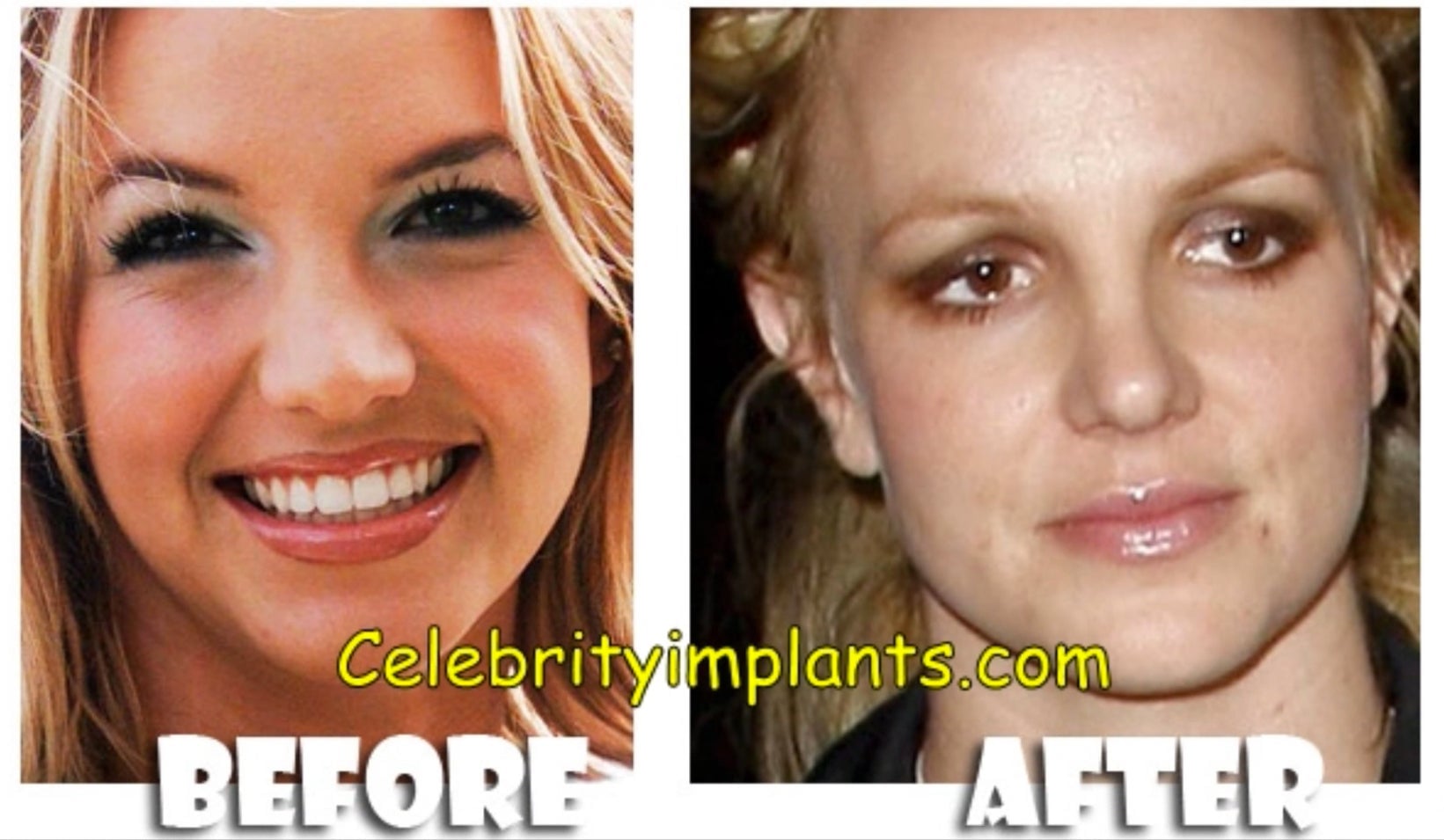
Over the years, plenty of Britney clones have come and gone, which would explain her many emotional ups and downs. According to Marshall, though, at any given time there are at least two to five backup clones waiting underground for their turn in the spotlight.
Like any clone, the Britney copies are not at all happy with their lot in life. So in 2009’s “Break the Ice,” one of the songs written for Britney by Donald Marshall during his time as a pop clone lyricist, she managed to sneak in some hints at the reality of her situation. This included an accompanying animated video that depicts her blowing up an actual cloning center.

And according to Marshall, the tubes detailed in the video look “exactly” like the real tubes in the cloning center.

Why Queen Elizabeth and the rest of her Illuminati cohorts would allow a menial clone to expose the secrets of their arcane operation, however, remains a mystery.
Eminem
There have long been rumors that Eminem checked himself into rehab after a drug overdose in 2005. He even said a few years ago that he “nearly died” at one point. He used the word “nearly,” of course, because when one is survived by innumerable copies of one’s former self, one can never really be dead.
When Slim Shady reached worldwide phenom status in the late 90s, the Illuminati approached him (as they do with all up and coming superstars) to see how willing he would be to join their gang of ultra-powerful miscreants. Shady foolishly declined, and was thus sent off to meet his demise in a fatal car crash. Or as far as the rest of the world was concerned, Eminem went to “rehab.”
Of course, no clone is perfect. The video below, which is available for download here, goes so far as to point out the vocal disparities between the original Eminem and his counterpart.
And if that doesn’t have you convinced, this shirting hairline surely will.
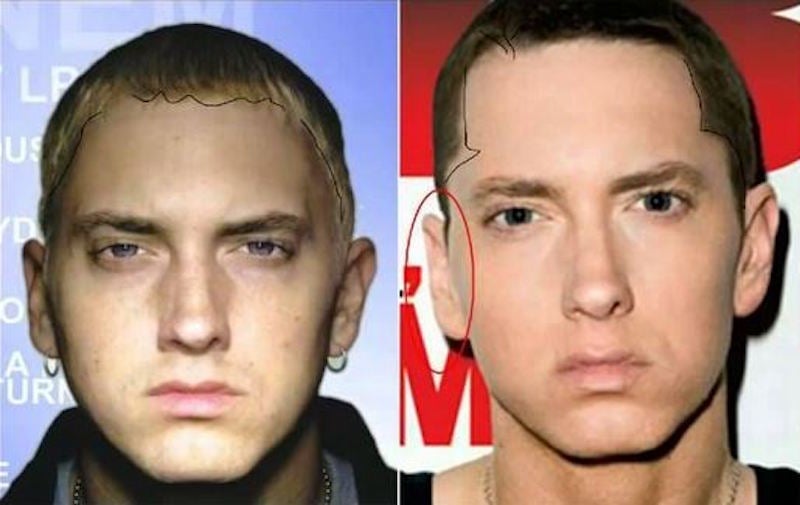
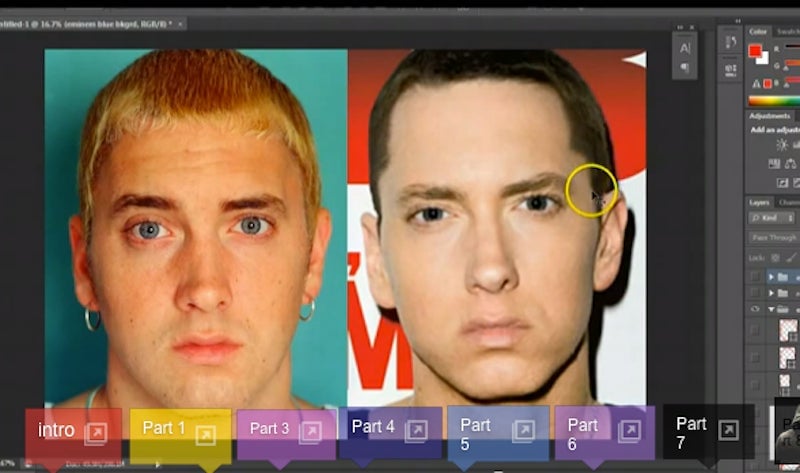
Or perhaps this little yellow circle:
And like noted clone Al Roker, Eminem’s clone once suffered a glitch on live television and nearly gave himself away in the process.
https://www.youtube.com/watch?v=NgODghGFxqo
No doubt that clone was killed immediately after the interview aired. Embarrassing!
Miley Cyrus
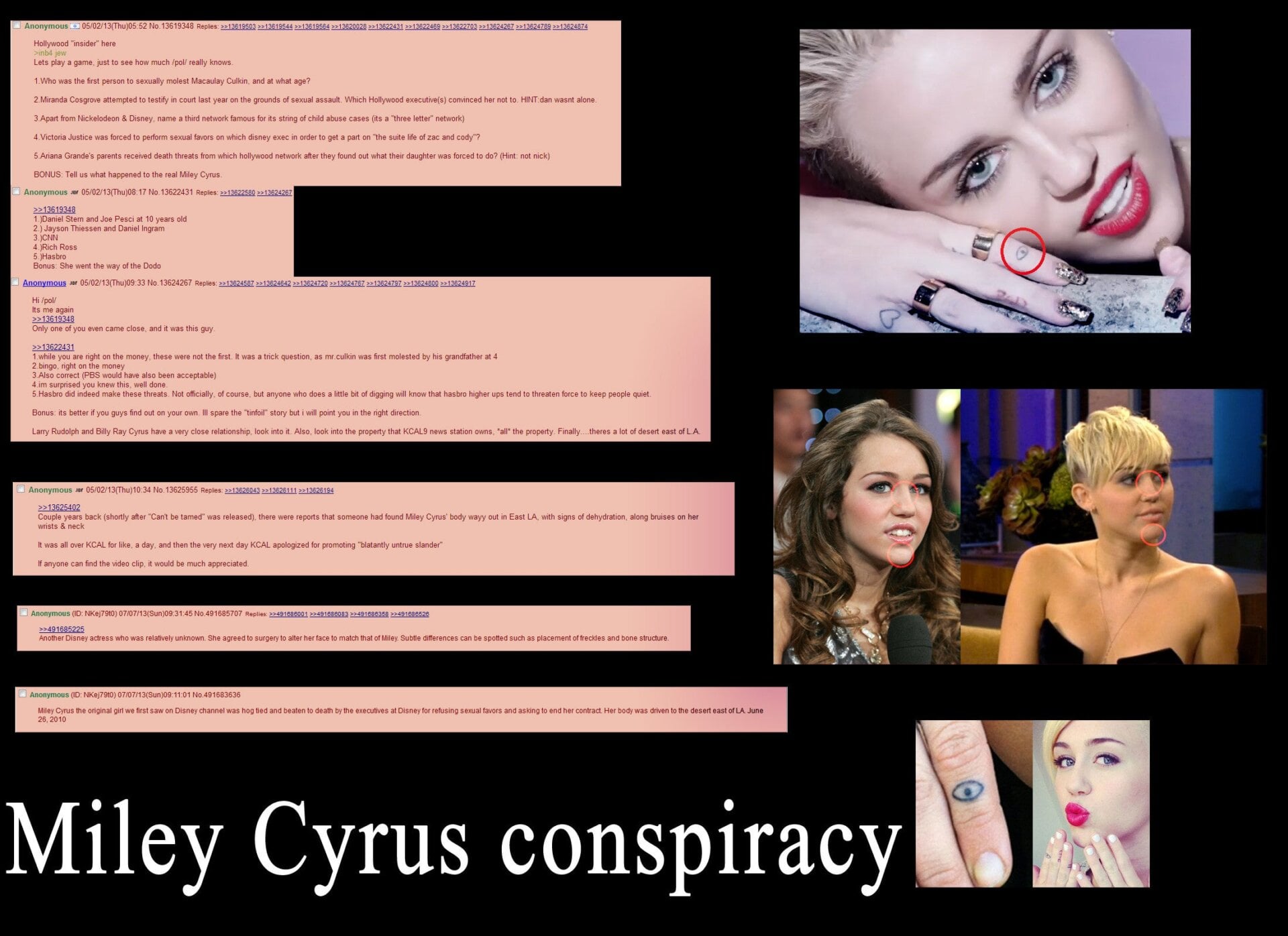
Back in 2010, as with all incurably rebellious teen sensations, Disney had Miley Cyrus killed and dumped her remains in the California desert.
There are two different possible reasons for this. One theory states that in the months before her “accident,” Miley leaked nudes, smoked salvia, and wrote in a song that she was “hot.” Which is to say, Miley Cyrus had become a national disgrace. To save its brand, Disney’s was left with only one option: Murder.
The other theory (and the one outlined in the image above) alleges that Miley Cyrus refused the sexual advances of various Disney executives (her father included). After realizing that Miley intended to remain steadfast in her decision not to partake in their blood orgies, a Disney higher-up beat her up, left her for dead, and brought in the clones.
https://www.youtube.com/watch?v=YDbHqBSUT7Q
The Miley Cyrus conspiracyes actually go even deeper than the rest. This YouTube video claims to contain proof that Miley Cyrus is “a confirmed Draco Reptilian Shapeshifter Hybrid.” Note the eyelids.

Either way, whatever did replace end up replacing Miley is far more malicious than your typical clone. This Miley is mean.
Allow Donald Marshall to explain:
 So does that mean that every celebrity we see is actually a clone suffering under Queen Elizabeth’s barbarous rule? Of course not. Not even the Queen Mother has the capacity to make that many celebrity doubles. But are most celebrities Illuminati clones? Almost certainly, yes.